
Internal Shop Hoardings
Construction Site Hoarding NZ

Construction Site Hoarding NZ:
What Property Owners, Shopping Centres & Contractors Need To Know
Most people do not think too much about construction site hoarding in NZ — until something goes wrong.
A tenant complaint.
A customer questioning safety.
A facilities manager frustrated by poor presentation.
Or a contractor suddenly being asked for engineering details after installation has already started.
On many projects, hoarding is still treated like an afterthought — a temporary wall installed late in the programme. But experienced contractors, shopping centres and property owners understand something important:
Construction site hoarding is not just a barrier — it is one of the primary temporary safety and public interface systems on a project.
Whether you are delivering a retail fit-out, shopping centre refurbishment, demolition project or commercial construction site, choosing the right hoarding matters.
What Is Construction Site Hoarding?
Construction site hoarding is a solid temporary barrier used to separate active works from public areas, customers, tenants or neighbouring spaces.
Unlike temporary fencing, hoarding is generally designed to provide:
✅ stronger separation from active works
✅ visual screening of construction activity
✅ improved site presentation
✅ better control of public interaction
✅ temporary security and access control
Depending on the project, hoarding may also include:
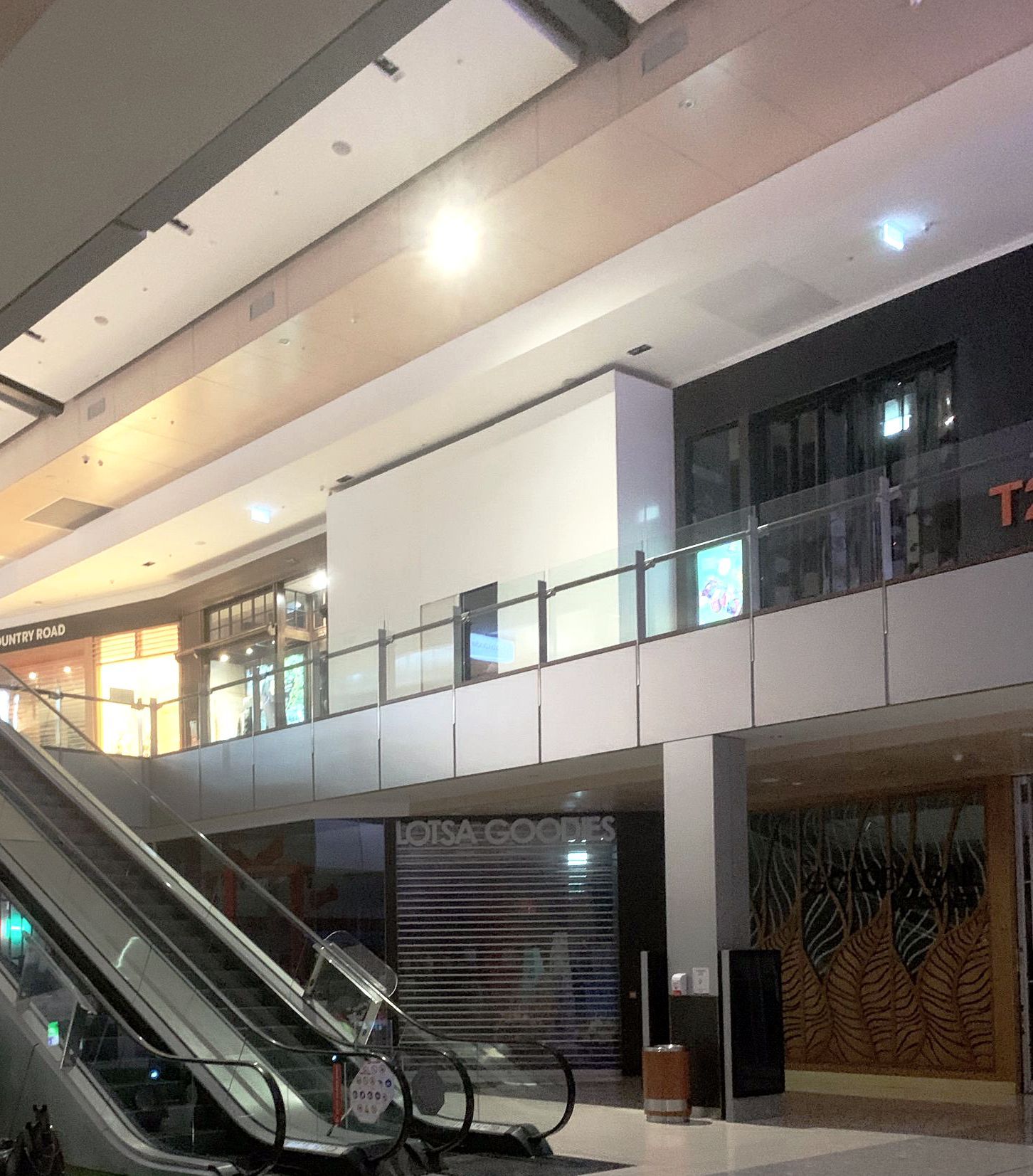
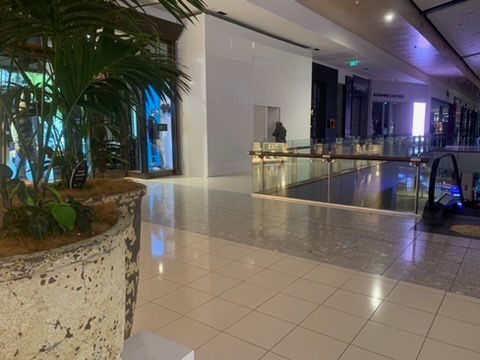
- Internal hoardings for shopping centres and retail fit-outs
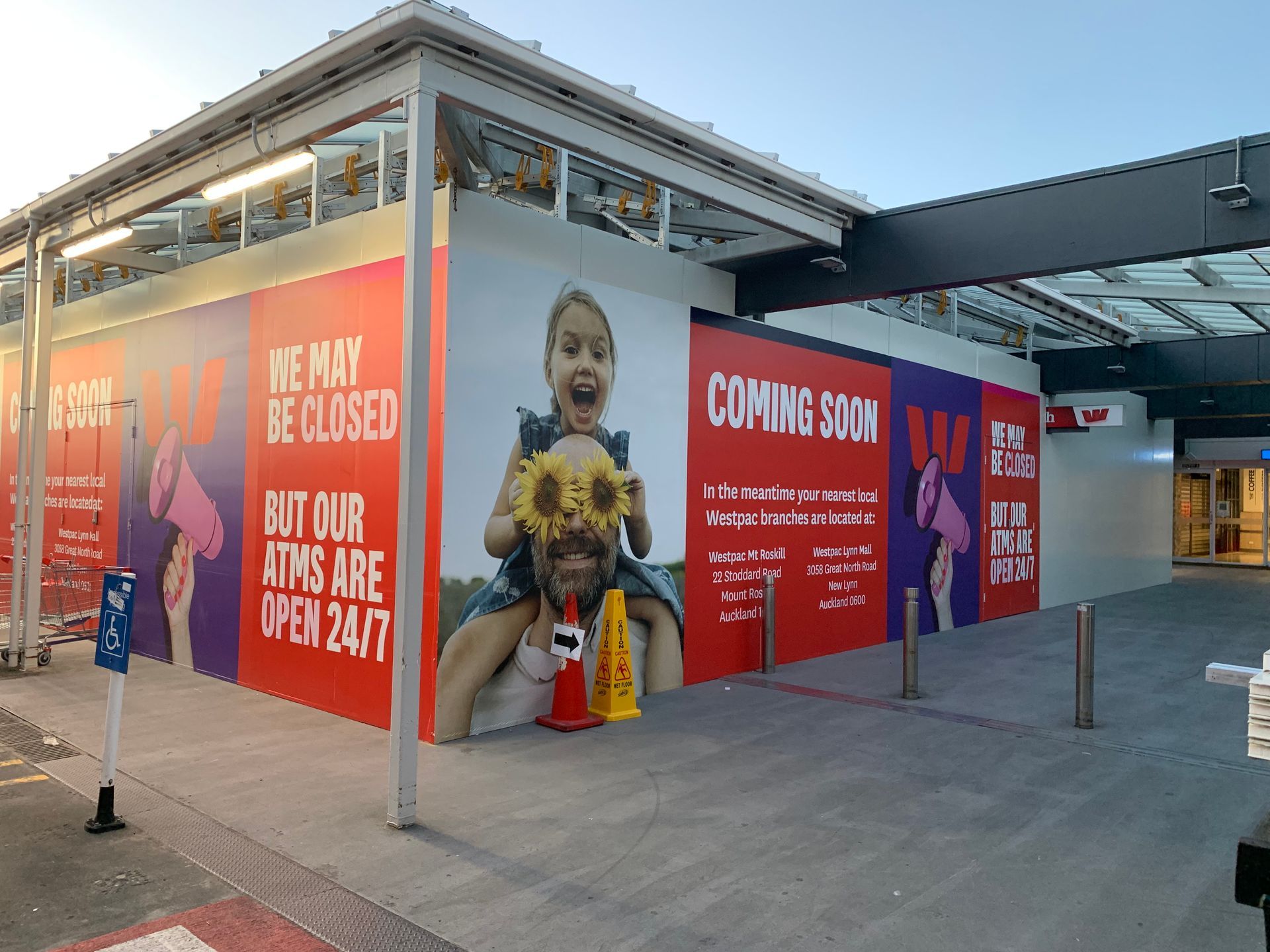
- External hoardings for public-facing works
- Security hoardings for higher-risk areas
- Acoustic hoardings to help reduce disruption
- Printed hoarding graphics for presentation and branding
Why Construction Site Hoarding Matters In NZ
On busy sites — especially shopping centres and live environments — hoarding often plays an important role in helping manage public interaction and temporary works risks.
Depending on the project, considerations may include:
Public Separation
Helping separate customers, visitors and pedestrians from active works.
Site Presentation
A professional hoarding system helps maintain a cleaner and more controlled project appearance.
Tenant & Customer Experience
In live trading environments, shopping centres often want works carried out with minimal disruption to customers and neighbouring tenants.
Temporary Safety Controls
Under the Health and Safety at Work Act 2015 (HSWA), PCBUs have duties to ensure, so far as is reasonably practicable, the health and safety of workers and others affected by the work.
Depending on site conditions, hoarding may form part of suitable temporary controls.
Temporary Fencing vs Hoarding
A common mistake on projects is assuming fencing and hoarding are interchangeable.
They are not.
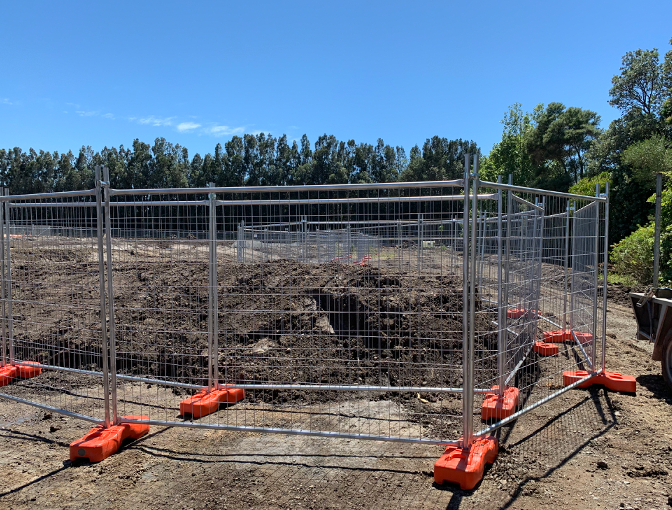
Temporary Fencing
Temporary fencing is commonly used for:
- compounds
- lower-risk construction sites
- perimeter control
- temporary access restriction
However, fencing may provide limited visual screening and less separation in public-facing environments.
Construction Site Hoarding
Hoarding is often better suited where:
✅ the public is close to the works
✅ tenants remain operational
✅ customer experience matters
✅ presentation is important
✅ stronger separation is preferred
This is one reason shopping centres and facilities managers often prefer hoarding systems in live environments.
Internal vs External Hoardings
Not all hoardings suit every project.
Internal Hoardings
Commonly used in:
- shopping centres
- retail refurbishments
- live trading environments
These projects often place a stronger focus on:
- customer flow
- presentation
- tenant experience
- branding opportunities
External Hoardings
May involve additional considerations such as:
- wind exposure
- public access
- vehicles and pedestrians
- temporary security
Depending on height, location and site conditions, additional engineering or council requirements may also apply.
Engineer Certified Hoardings Explained
One area that often causes confusion is engineering.
There is an important difference between:
Product Certification
and
Site-Specific Engineering Review
Some hoarding systems may be engineer certified as a product or system. However, depending on the project, additional site-specific engineering review will still be appropriate.
This can depend on:
- site conditions
- wind exposure
- height
- loading
- public interface
- installation method
Speaking with the right provider early can often help avoid delays or rework later in the project.
Common Hoarding Mistakes To Avoid
❌ Treating hoarding as an afterthought
❌ Using fencing where hoarding is more suitable
❌ Ignoring customer or tenant experience
❌ Poor presentation in public-facing areas
❌ Leaving engineering or approvals too late
Planning early usually leads to smoother project delivery.
FAQ
Do all construction sites need hoarding?
Not always. The type of temporary separation required will depend on the project, public interface, site conditions and risk profile.
Is temporary fencing the same as hoarding?
No. Temporary fencing is lighter and often suited to lower-risk areas, while hoarding is typically used where stronger separation and presentation are important.
Do hoardings need engineering?
Yes depending on site conditions, height, wind exposure and public interaction, engineering considerations will apply.
Talk To FTH Group
If you are planning a retail fit-out, shopping centre refurbishment or commercial construction project, speaking with the right provider early can help avoid unnecessary delays, rework and compliance issues.
FTH Group works with shopping centres, facilities managers, contractors and property owners to deliver professional internal and external hoarding solutions designed for New Zealand conditions.