
Internal Shop Hoardings
What Property Owners, Shopping Centres & Contractors Need To Know.

Temporary Hoarding Requirements NZ: What Property Owners, Shopping Centres & Contractors Need To Know
Temporary hoarding is not just a wall.
At least, it should not be.
Most temporary hoarding problems do not start with the construction itself.
They start at the edge of the site — where customers, tenants, contractors and the public interact with the works.
A complaint from a retailer.
A facilities manager concerned about presentation.
Customers feeling unsafe walking past a project.
Confusing pedestrian flow.
Visibility into unfinished works.
Or worse — an incident involving the public that raises serious questions about planning, safety and responsibility.
For many shopping centres, commercial buildings and live environments across New Zealand, temporary hoardings are often one of the first things the public sees and one of the last things project teams think about.
That creates problems.
Because whether you are managing a retail fit-out, demolition, refurbishment, tenancy change or commercial construction programme, the reality is this:
The public rarely sees the project. They see the hoarding.
And what they see influences:
✅ customer confidence
✅ perceived safety
✅ tenant experience
✅ site presentation
✅ brand reputation
✅ overall project perception
Done properly, a temporary hoarding can help protect people, improve presentation and reduce disruption.
Done poorly?
It can quickly become a source of complaints, frustration and unnecessary risk.
For property owners, shopping centres, facilities managers, builders and contractors, understanding temporary hoarding requirements in New Zealand is becoming increasingly important.
Not simply from a construction perspective.
But from a public safety, risk management and customer experience perspective too.
In this guide, we explain:
✅ What temporary hoardings actually are
✅ Why shopping centres often demand higher standards
✅ The difference between fencing and hoardings
✅ Internal vs external hoardings
✅ Key New Zealand compliance considerations
✅ When engineering considerations may matter
✅ Common mistakes people make with temporary hoardings
Most importantly, we explain why temporary hoardings should be treated as part of project strategy — not an afterthought.
Why Temporary Hoardings Matter More Than Most People Realise
A lot of effort goes into construction planning.
Project teams focus on:
- demolition schedules
- contractors
- tenancy handovers
- fit-out programmes
- procurement
- budgets
- delivery deadlines
Yet temporary hoardings are often pushed to the bottom of the list.
Sometimes until the last minute.
That can be expensive.
Because on live sites — especially shopping centres, retail precincts and public-facing commercial projects — the hoarding becomes the interface between the public and construction.
And in many cases:
The quality of the hoarding shapes how people feel about the project.
A poorly planned hoarding can quickly create problems.
Poor Temporary Hoardings Can Lead To:
❌ tenant complaints
❌ poor customer experience
❌ visibility into hazardous works
❌ confusion around pedestrian movement
❌ unsafe interactions with construction activity
❌ presentation concerns for shopping centres
❌ disruption to nearby retailers
❌ reputational damage
For facilities managers and property owners, these problems are rarely worth the risk.
Particularly in premium environments where presentation matters.
What Is A Temporary Hoarding?
At its core, a temporary hoarding is a solid separation barrier used to isolate construction, demolition, refurbishment or fit-out works from occupied environments.
But modern construction hoardings do far more than simply hide a worksite.
A professionally planned hoarding system can help:
Protect The Public
Helping separate pedestrians, customers and tenants from active works.
Create Better Site Control
Reducing unauthorised access into hazardous areas.
Improve Presentation
Helping construction projects look cleaner, safer and more professionally managed.
Reduce Visibility Into Works
Preventing unfinished construction, waste or hazards from becoming highly visible.
Support Temporary Safety Controls
Helping manage movement, separation and project interface.
Protect The Customer Experience
Especially important in shopping centres and live retail environments.
This is one reason many experienced property teams no longer see hoardings as:
“just a temporary wall.”
Instead, they view them as:
temporary infrastructure supporting safety, presentation and project continuity.
Temporary Fencing vs Hoardings: The Difference That Often Gets Missed
One of the most common misunderstandings in construction is assuming temporary fencing and hoardings are interchangeable.
They are not.
And choosing the wrong temporary system for the environment can create unnecessary problems.
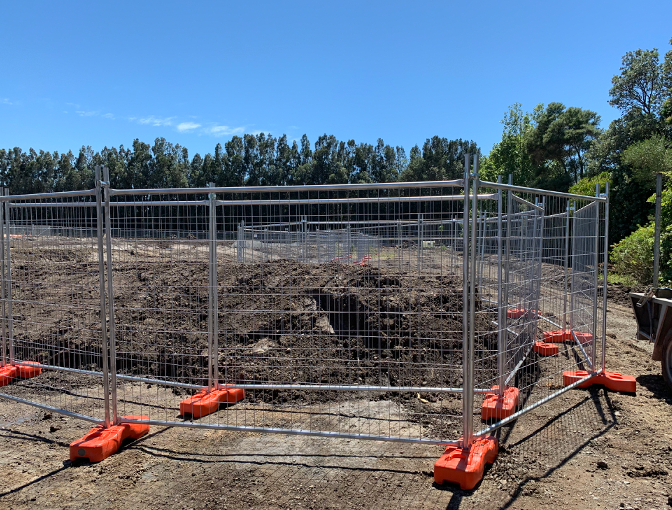
Temporary Fencing
Temporary fencing is commonly used for:
- open construction sites
- compounds
- perimeter control
- lower public interface environments
It is generally:
✅ fast to install
✅ flexible
✅ cost effective
✅ suitable for open environments
However, temporary fencing may not always provide:
❌ visual screening
❌ premium presentation
❌ retail aesthetics
❌ customer-friendly appearance
❌ separation from visibility into works
On isolated sites, fencing may be perfectly suitable.
But in shopping centres, public-facing retail environments and commercial properties, fencing alone may not always align with presentation or stakeholder expectations.
Temporary Hoardings
Temporary hoardings are often used where:
- the public interacts closely with works
- tenants remain operational
- customer experience matters
- visual presentation is important
- additional separation is preferred
Depending on the project, this may include:
✅ Internal Hoardings
✅ External Hoardings
✅ Security Hoardings
✅ Acoustic Hoardings
✅ Retail Fit-Out Hoardings
✅ Printed Hoarding Graphics
✅ Engineer Certified Hoardings
For shopping centres and premium commercial environments, temporary hoardings are often preferred because they create a cleaner, more controlled and professional environment during works.
Because construction still needs to happen.
But it should not feel like customers are walking through a building site.
Internal Hoardings vs External Hoardings
Not all hoardings perform the same role.
In fact, one of the biggest mistakes project teams make is assuming the same solution works everywhere.
It rarely does.
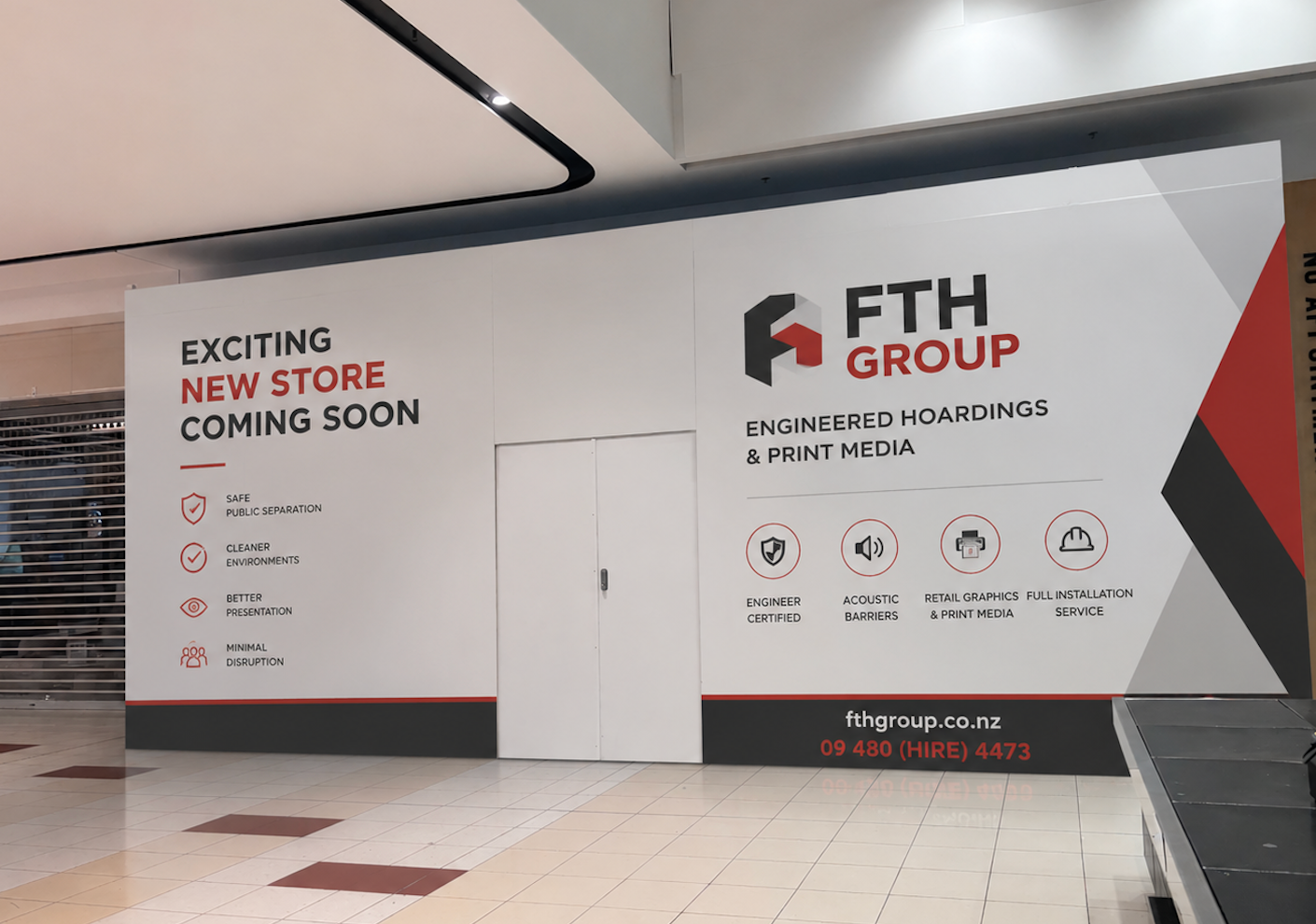
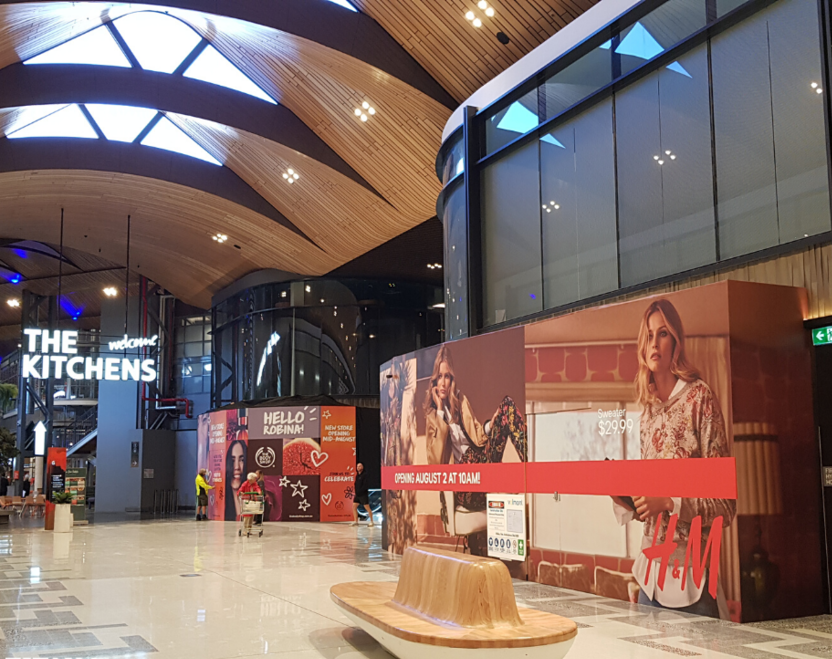
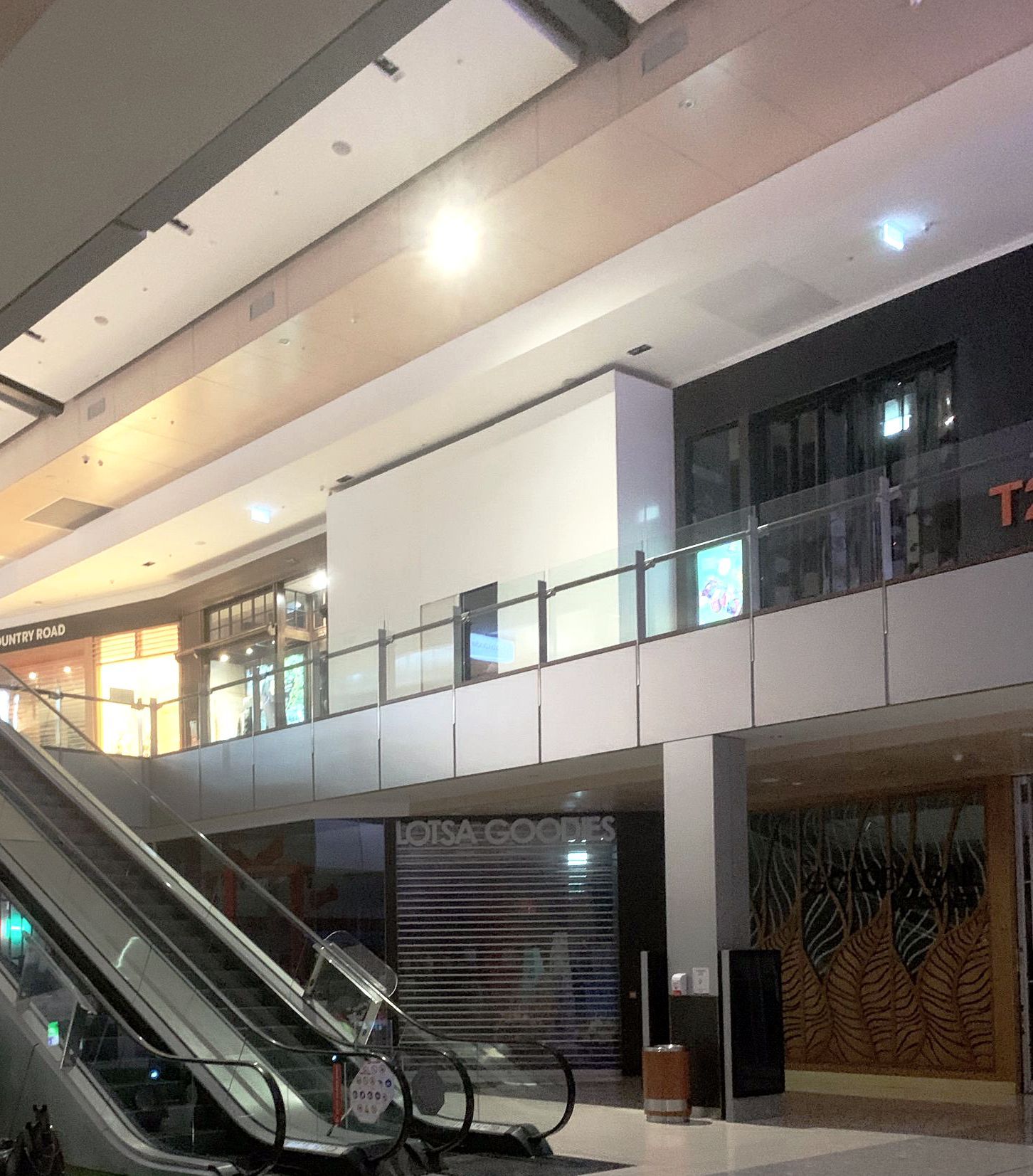
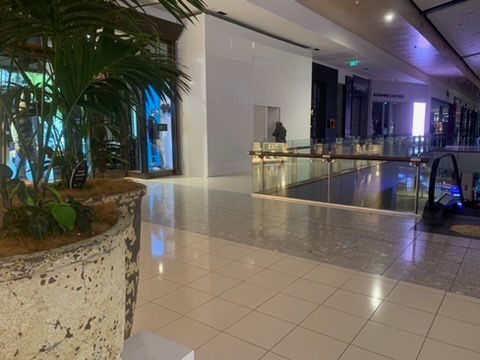
Internal Hoardings
Internal hoardings are commonly used inside:
- shopping centres
- retail precincts
- airports
- hospitals
- commercial buildings
Their role is not simply separation.
It is also about:
✅ protecting customer flow
✅ maintaining presentation
✅ minimising disruption
✅ supporting tenancy experience
✅ reducing visibility into works
In many shopping centres, internal hoardings become part of the customer experience.
Poorly presented hoardings can quickly create complaints from both tenants and customers.
This is one reason many shopping centres have strict expectations around:
- presentation
- finish quality
- height
- graphics
- access management
- site cleanliness
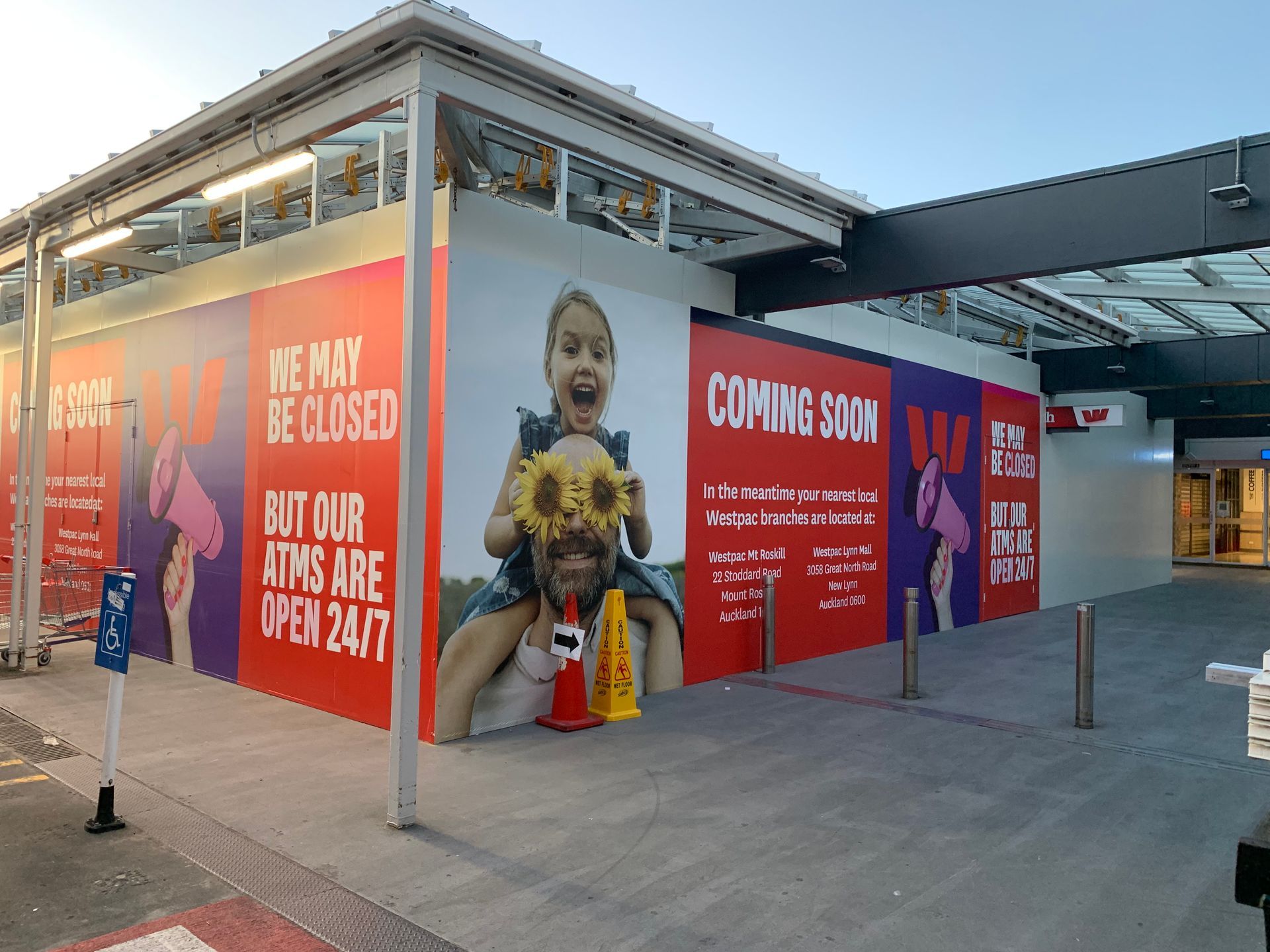
External Hoardings
External hoardings often face different challenges.
These are commonly used around:
- demolition zones
- external construction projects
- façade upgrades
- car park works
- public-facing construction sites
External environments may involve different considerations, such as:
✅ pedestrian interaction
✅ vehicle proximity
✅ weather exposure
✅ public access points
✅ security concerns
✅ site visibility
Depending on project conditions, additional engineering or temporary works planning considerations may also become relevant.
Because external environments are often less predictable than internal retail spaces.
Why Shopping Centres Often Demand Higher Standards
Shopping centres are different from standard construction sites.
Construction is usually happening while:
- customers are still shopping
- tenants are trading
- retailers are paying rent
- public movement continues
That creates a completely different risk profile.
A poorly planned temporary setup can quickly affect:
❌ customer confidence
❌ retailer satisfaction
❌ foot traffic
❌ presentation standards
❌ brand perception
For facilities managers, there is often little tolerance for temporary works that feel:
- messy
- unsafe
- confusing
- disruptive
Instead, the expectation is:
Safe. Professional. Controlled. Premium.
That is why many retail environments demand higher temporary hoarding standards than standard open construction sites.